Sustainable Development Goals
Our work and the SDGs.
We link our work in Kenya to specific targets under the UN Sustainable Development Goals, so that partners can see which targets it supports and how we measure the results.
Our approach
How we align our work with the SDGs.
We decide which SDG targets a programme serves while we design it, not only when we report on it.
Choosing targets
Where our work relates to the SDGs, we link it to a specific target rather than to a goal as a whole, and only where the work matches what the target sets out. Where a link is indirect, as with SDG 1 below, we say so.
Deciding access by clinical need
In the programmes we run, patients join through their doctor's referral, so access depends on clinical need, not ability to pay.
Working with existing cover
Before any sponsor support is used, we check whether the patient has cover from the Social Health Authority (SHA), an insurer or an employer. Our programmes add to that cover rather than replace it.
Measuring and reporting
We agree indicators with each partner and report against them. Where an official SDG indicator is relevant, our measure follows its definition; otherwise we use one specific to the programme.
Claiming only what we can show
We describe what the work does and which target it supports. We do not claim outcomes, such as lives saved, that our data cannot show.
Goals and targets
The goals and targets that apply to our work.
For each goal, we list the relevant targets and what our work involves.
Good health and well-being
SDG 3 · targets 3.4 and 3.8
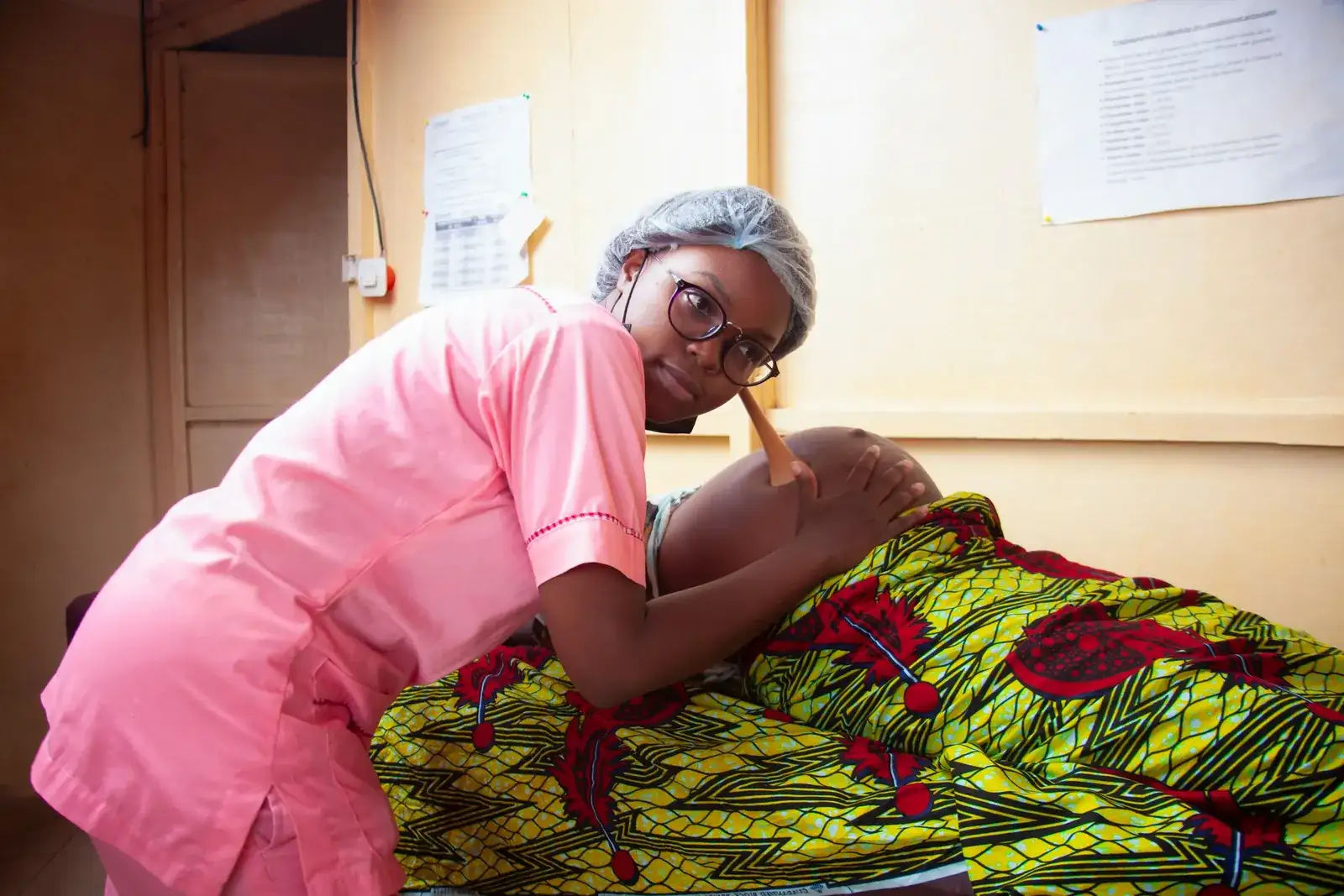
Our patient support programmes help people with cancer start treatment and stay on it. Approval usually comes the same day, each patient has a named nurse and partner pharmacies supply the medicine. Across 15 treatment centres, 1,500+ patients have enrolled. The work supports target 3.4, which aims to reduce premature deaths from non-communicable diseases such as cancer, and target 3.8, on access to quality essential health services and medicines. Because the programmes are free to the patient, they also support target 3.8's aim of protecting people from the financial risk of ill health. This links indirectly to SDG 1, which aims to end poverty.
Reduced inequalities
SDG 10 · target 10.2
Every patient is referred by their doctor and pays nothing for the programme, so people on low incomes can join on the same terms as everyone else. This supports target 10.2, on the social and economic inclusion of all, whatever their income or status.
Responsible consumption and production
SDG 12 · target 12.5
Our new analytics service for pharmaceutical distributors is built to find stock at risk of expiry while there is still time to sell, move or return it. The aim is to reduce the amount of expired medicine that has to be destroyed. The service is designed to support target 12.5, which calls for a substantial reduction in waste, including through prevention.
Partnerships for the goals
SDG 17 · target 17.17
Each patient support programme is a partnership. A pharmaceutical sponsor funds it, treating doctors refer patients and partner pharmacies supply the medicine. Outside patient support, we offer public health programme delivery for NGOs, donors and government. This work relates to target 17.17, which encourages effective public, public-private and civil society partnerships.
We would like to hear from foundations, development agencies and public bodies that want to fund, co-fund or extend this work.
Talk to us about a partnership